What are the categories of ceramic panels?
As a building decoration material primarily made from natural clay through extrusion molding and high-temperature firing, ceramic panels are widely used in interior and exterior architectural decoration due to their eco-friendliness, durability, and strong decorative appeal. They can be classified in various ways, with the primary categorization based on surface texture and processing techniques, which is the most intuitive and commonly used dimension. Plain ceramic panels feature a smooth and even surface with uniform, soft colors, showcasing the matte texture of the clay to the greatest extent, making them suitable for minimalist and modern architectural styles and a widely applied basic type. Sand-textured ceramic panels, through special firing processes, develop a fine granular surface, offering enhanced slip resistance and adding three-dimensional depth to building facades, often used for low-rise exterior walls or podium sections. Additionally, ceramic panels with stone-like patterns, grooved surfaces, or wavy textures either replicate natural stone veining or create unique light and shadow effects through special designs, catering to diverse aesthetic needs.
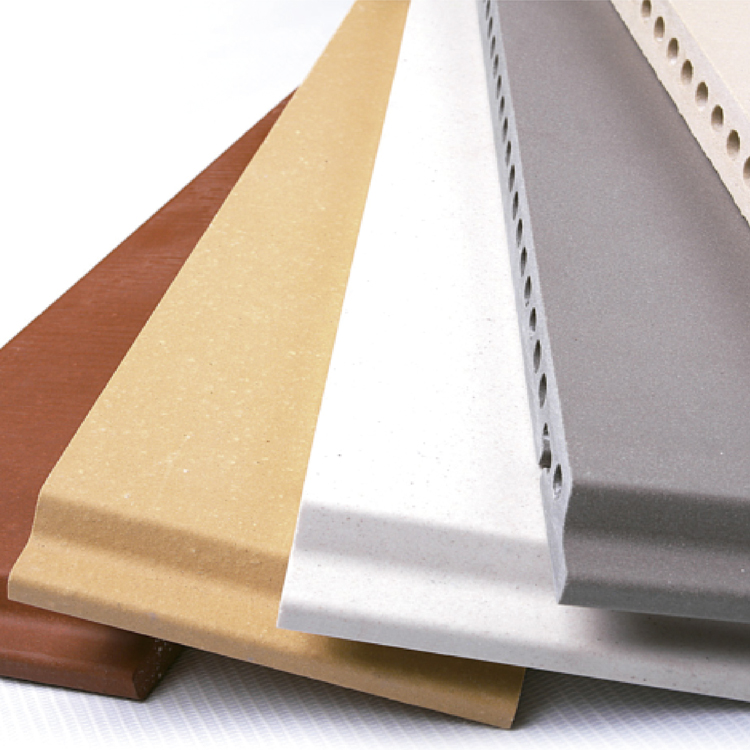
Based on functional characteristics, ceramic panels can be categorized into standard ceramic panels and functional ceramic panels to meet the usage requirements of different scenarios. Standard ceramic panels only provide basic decorative and protective functions, featuring affordable costs and high cost-performance ratios, making them commonly used for wall decoration in ordinary buildings with low performance demands. Functional ceramic panels, on the other hand, incorporate additional special attributes beyond basic functions. For instance, integrated thermal insulation ceramic panels combine ceramic surfaces with insulation layers such as rock wool or extruded polystyrene boards, achieving both decoration and exterior wall insulation simultaneously, aligning with the concept of green buildings. Perforated ceramic panels, with their uniform holes, offer both aesthetic appeal and breathability, making them suitable for architectural shading, landscape walls, or spaces requiring acoustic optimization. Meanwhile, innovative functional ceramic panels with self-cleaning or antibacterial properties further address the advanced demands of modern architecture for health and environmental sustainability.
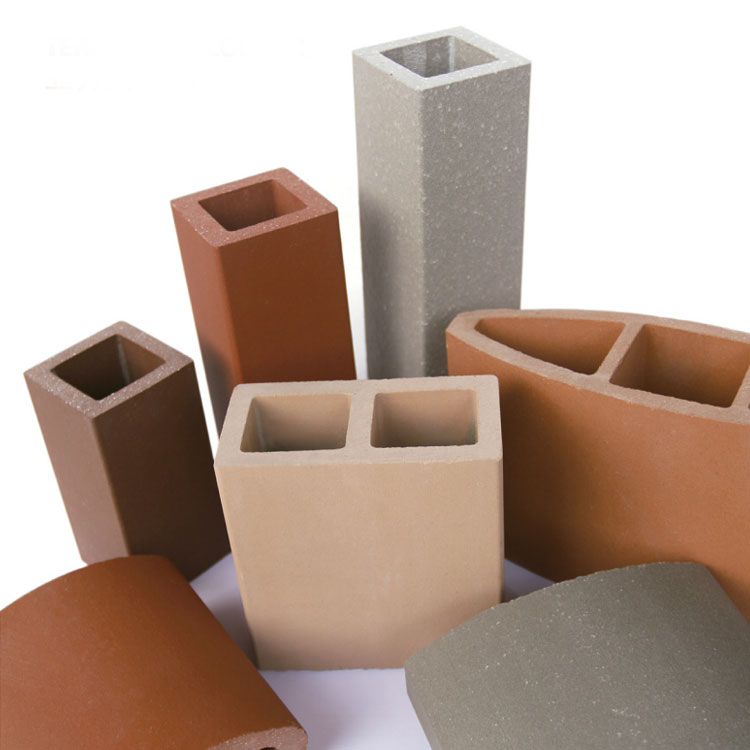
Depending on the installation method, ceramic panels are primarily categorized into dry-hanging and wet-sticking systems, which differ significantly in construction techniques and application scenarios. Dry-hanging ceramic panels are secured via framing and connectors, leaving a cavity between the panel and the wall. This method offers strong seismic resistance, durability, and ease of later maintenance and replacement, making it the mainstream choice for high-rise building facades. Wet-sticking ceramic panels, on the other hand, are directly adhered using cement mortar. While this approach involves simpler construction and lower costs, its durability and seismic resistance are inferior to dry-hanging systems, so it is often used for interior walls or low-height exterior decoration. Additionally, with advancements in construction technology, specialized installation forms such as ceramic louvers and ceramic rods have emerged, combining sunshade and decorative functions to enrich the diversity of architectural design.
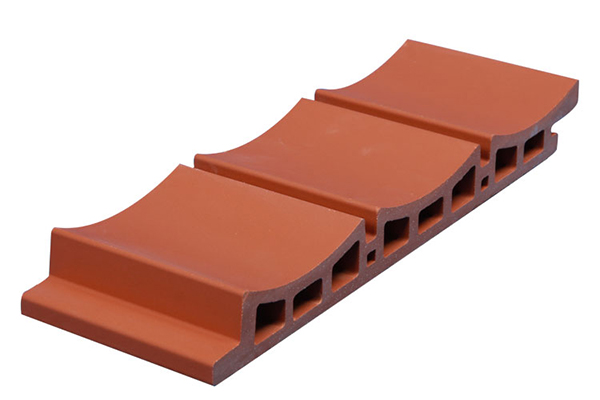
Beyond the primary classifications mentioned above, ceramic panels can also be categorized based on structural form and application areas. Structurally, they are divided into single-layer ceramic panels and double-layer hollow ceramic panels. Single-layer ceramic panels feature a simple construction and lightweight design, while double-layer hollow ceramic panels, with their internal cavity structure, enhance thermal insulation and soundproofing performance, making them suitable for scenarios with higher comfort requirements. By application area, they can be classified into exterior wall ceramic panels, interior decoration ceramic panels, and landscape ceramic panels, which are respectively suited for exterior wall decoration, interior wall and floor finishes, as well as garden pathways, flower beds, and similar settings. These classifications are not mutually exclusive but rather complementary, with different types of ceramic panels meeting various needs in architectural design, such as decoration, functionality, and environmental sustainability, thereby continuously expanding their applications in the construction field.
(Source:Shaohua Ceramic Panel Manufacturer)
Jiangxi Shaohua Ceramics Co., Ltd. adheres to the principles of environmental protection, ecology, and humanity. The company specializes in the development, research, and innovation of clay-based architectural products, with main products including terra-cotta curtain walls, ceramic bricks, terra-cotta rods, terra-cotta louvers, and other new exterior wall decorative building materials.
 HOME
 PRODUCT
 CASE
 CONTACT