What are the specifications of terracotta panels?
As a commonly used material in the field of architectural decoration, terracotta panels are categorized based on three core dimensions—thickness, width, and length—forming a standardized system that balances practicality and versatility to meet the needs of various architectural scenarios. Currently, the mainstream thickness range of terracotta panels in the market is relatively fixed, typically ranging from 15mm to 30mm. Among these, panels with a thickness of 20mm to 30mm are more widely used, as they ensure sufficient structural strength while keeping the weight manageable, making them suitable for most wall decoration needs. In terms of width, common specifications range from 150mm to 600mm, with 300mm, 450mm, and 600mm being the most frequently used. Among these, 300mm-wide panels are particularly common in various curtain wall projects due to their ease of installation and strong adaptability. For length, the standard specifications mainly range from 400mm to 1200mm, with 600mm, 900mm, and 1200mm being the standard lengths. The 1200mm length is also widely recognized in the industry as the maximum conventional length, as exceeding this may cause deformation during firing, affecting product quality.
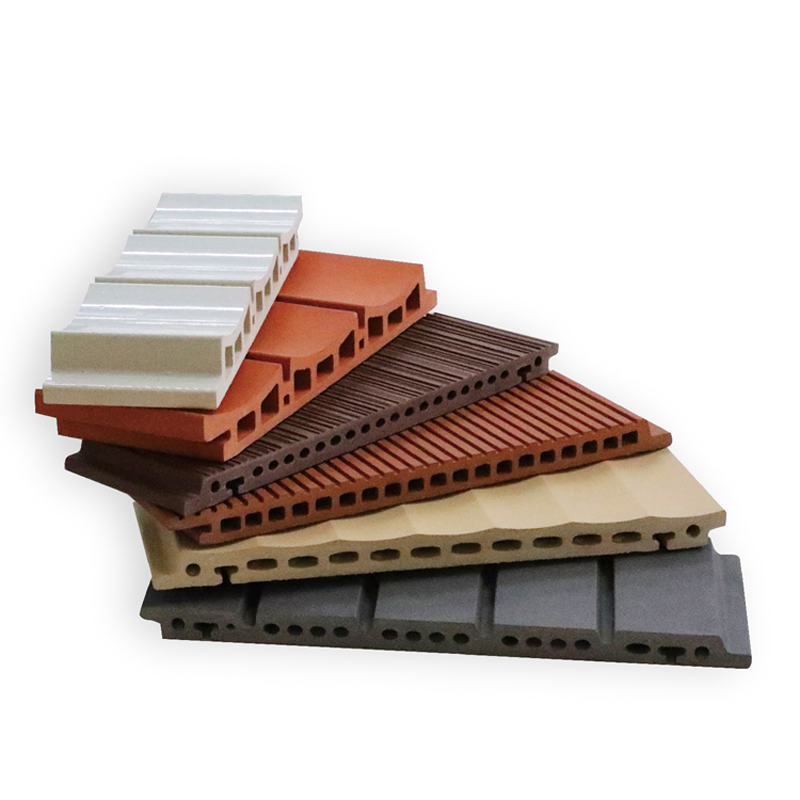
Different types of terracotta panels vary in specifications, closely related to their structure and application. Single-layer terracotta panels, with a solid structure, typically have a thickness of 20-30mm, a width of 150-600mm, and a maximum length of 1200mm, weighing 45-65kg/m². They are mainly used for partial decoration where load-bearing requirements are low. Double-layer hollow terracotta panels, commonly used for curtain walls, share similar specifications with standard panels. However, their hollow structure reduces weight, making them suitable for high-rise building facades. Terracotta rods and louvers follow unique specification systems, featuring various cross-sections such as square and circular shapes, with flexible dimensions. They serve both as external shading elements and interior decorative components, enhancing architectural aesthetics. Additionally, terracotta panels categorized by surface finishes maintain the same basic specifications as standard panels, differing only in surface treatment, which does not affect size selection.
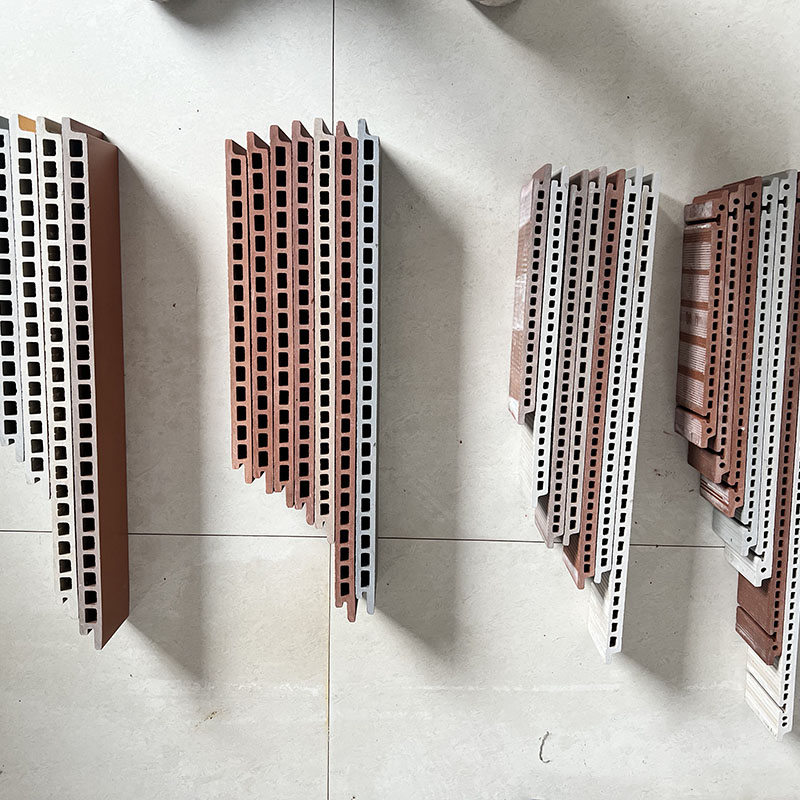
In addition to standard specifications, ceramic panels also support customized production to meet special architectural design requirements. Custom adjustments primarily focus on width and length, with the width flexibly adjustable between 150mm and 600mm according to design needs, while the length can exceed the conventional limit of 1200mm. However, it's important to note that excessive length may reduce yield rates and increase costs. Thickness customization is often tailored for specific scenarios, such as high-impact areas like building ground floors, where the thickness can be increased to 7mm or 8mm to enhance impact resistance. While customized ceramic panels can fulfill personalized needs, there are certain thresholds: not only are they priced 2-3 times higher than standard panels, but they also have a minimum order requirement of 3,000-5,000 square meters or more, with correspondingly longer lead times for delivery.
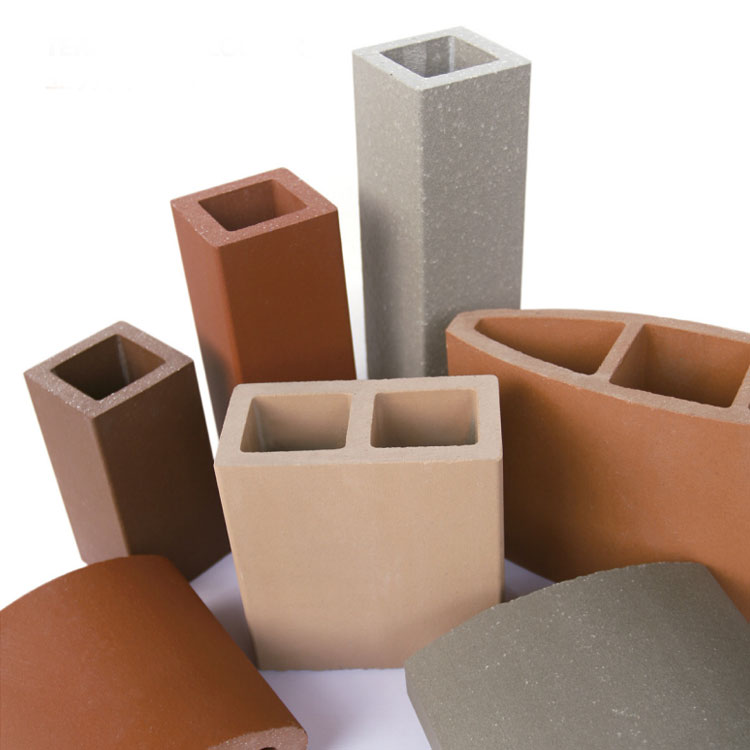
The selection of terracotta panel specifications should be comprehensively considered based on building height, usage location, construction requirements, and budget constraints. For high-rise buildings, it is recommended to choose panels with a thickness ≥20mm, paired with standard width and length, balancing safety and economy; for decorative areas or low-load scenarios, thinner single-layer panels can be used to reduce costs. Standard specifications like 600×900mm or 600×1200mm are preferred for conventional projects, ensuring construction efficiency and minimizing material waste. Custom sizes can be adopted for uniquely shaped buildings, but early communication with manufacturers is essential to clarify minimum order quantities, costs, and delivery timelines. Proper selection of terracotta panel specifications not only maximizes their eco-friendly, durable, and aesthetic advantages but also ensures the overall decorative effect and construction quality.
(Source:Shaohua Ceramic Panel Manufacturer)
Jiangxi Shaohua Ceramics Co., Ltd. adheres to the principles of environmental protection, ecology, and humanity. The company specializes in the development, research, and innovation of clay-based architectural products, with main products including terra-cotta curtain walls, ceramic bricks, terra-cotta rods, terra-cotta louvers, and other new exterior wall decorative building materials.
 HOME
 PRODUCT
 CASE
 CONTACT