Where Can Terracotta Panels Be Used?
Terracotta panels, as an eco-friendly building material made from natural clay and fired at high temperatures, have become a popular choice in modern architecture due to their stable physical properties and rich decorative effects. Their applications span across various fields, including building facades and interior spaces, catering to different styles and functional needs. Today, whether in residential or public buildings, terracotta panels are widely visible. With their warm texture and long-lasting colors, they break the limitations of traditional building materials, offering more possibilities for architectural design. From the orange glazed curved terracotta panels at Hangzhou Grand Canal Plaza to the dark red terracotta facades of Shanghai One, terracotta panels are embellishing urban architectural profiles in diverse forms.
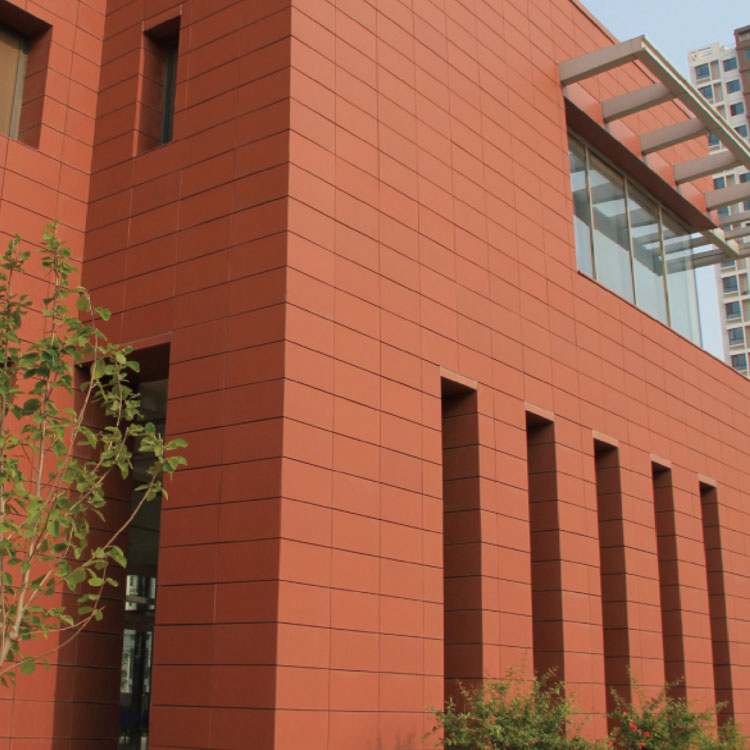
The building facade is the mainstream application scenario for terracotta panels, widely suitable for various types of buildings such as residences, commercial complexes, and office towers. Compared to traditional materials like stone and aluminum panels, terracotta panels are lighter in weight—only one-third to half that of stone—significantly reducing the load-bearing pressure on the main structure. This makes them particularly ideal for high-rise or renovation projects, with superior seismic performance. Additionally, terracotta panels offer customizable colors, ranging from beige and deep green to orange and dark red, combined with surface treatments like glazing or textured finishes. Under different lighting conditions, they create rich color gradients, enhancing the building's vibrancy. For example, Zhilan Yuehua Xuan in Hangzhou integrates deep green terracotta panel lines between glass curtain walls, while Longxing Plaza features a facade crafted from beige terracotta panels. These designs not only elevate the architectural quality but also showcase unique stylistic flair, becoming striking urban landmarks.
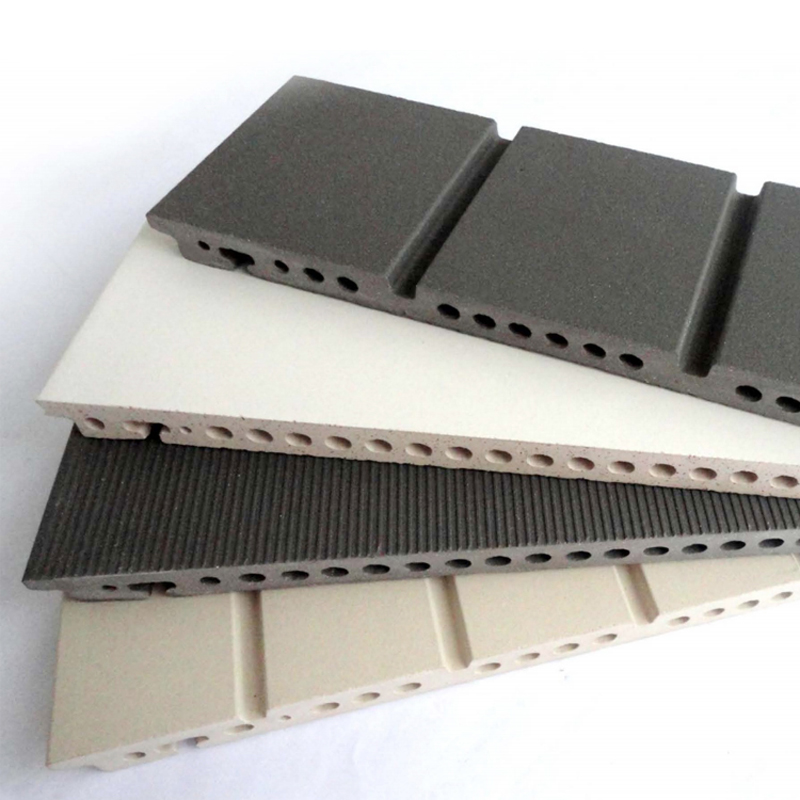
The application of ceramic panels in interior spaces is becoming increasingly widespread, suitable for various scenarios such as hospitals, shopping malls, office building lobbies, and residential interiors, combining both decorative and practical functions. In medical spaces, like the Jinjiang Third Hospital, ceramic panels soften the clinical coldness of healthcare facilities with their warm texture, while their excellent thermal and sound insulation properties create a quiet and private treatment environment. The matte finish also helps avoid strong light irritation for patients. In shopping malls and office building lobbies, ceramic panels can serve as wall decorations or feature walls, creating a minimalist spatial atmosphere with their natural texture. Their anti-static and dust-resistant surfaces make them easy to maintain. Additionally, ceramic panels can be used for residential TV feature walls and corridor walls, infusing home spaces with a natural and warm ambiance, compatible with various styles such as new Chinese and modern minimalist decor.
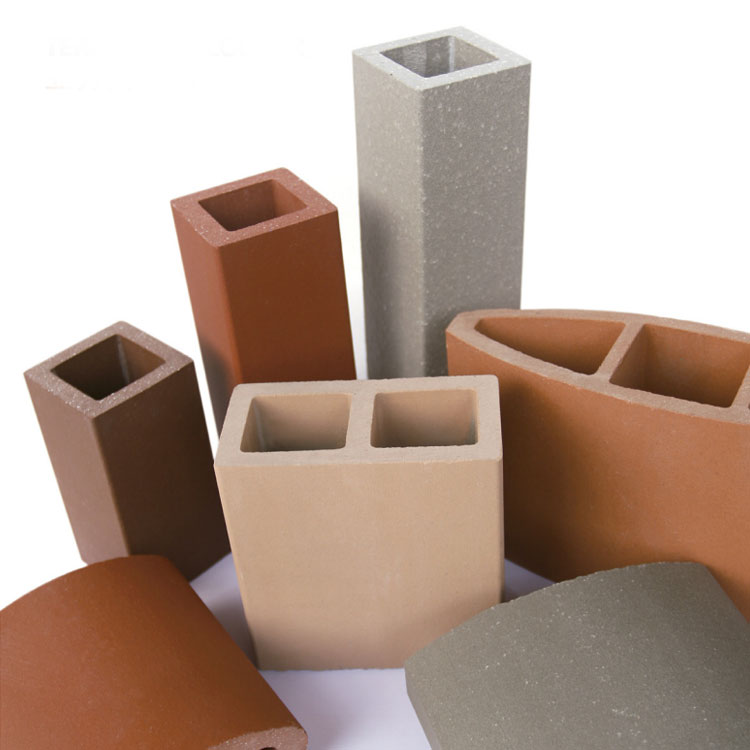
In addition to conventional interior and exterior walls, ceramic panels can also be applied to landscape facilities and special functional areas, expanding their scope of use. Perforated ceramic panels are suitable for landscape fences, sunshade louvers, and corridor cladding, combining decorative appeal with breathability while also enhancing acoustic performance. Standard ceramic panels can be used for facings on flower beds and steps, improving the texture and cohesion of landscape areas. For specialized functional needs, insulated integrated ceramic panels meet the energy-saving requirements of buildings in cold regions, while fire-resistant ceramic panels can be used as cladding for firewalls and fire compartments, ensuring building safety. From the facades of Hermès stores to the decorative elements of Shanghai Metro's Natural History Museum Station, and from villa landscape fences to hospital health education walls, ceramic panels—with their versatile adaptability—serve as a vital material that connects architecture, nature, and culture. They are poised to demonstrate their unique value across even more scenarios in the future.
(Source:Shaohua Ceramic Panel Manufacturer)
Jiangxi Shaohua Ceramics Co., Ltd. adheres to the principles of environmental protection, ecology, and humanity. The company specializes in the development, research, and innovation of clay-based architectural products, with main products including terra-cotta curtain walls, ceramic bricks, terra-cotta rods, terra-cotta louvers, and other new exterior wall decorative building materials.
 HOME
 PRODUCT
 CASE
 CONTACT