Advantages of Ceramic Panels
Ceramic panels are primarily made from natural clay, formed through high-pressure extrusion and high-temperature firing, combining eco-friendliness with stability to become a preferred material for modern architectural interior and exterior decoration. Their raw materials are natural and pure, with no harmful chemical additives introduced during production. They are free from radioactivity, formaldehyde, and volatile organic compounds, meeting green building material standards. Safe and non-toxic in use, they can also be recycled and reprocessed after disposal, aligning with the development of low-carbon and sustainable architecture by reducing environmental impact from the source. The natural clay endows the panels with a warm, rustic appearance, featuring even and gentle hues that avoid light pollution. They harmonize well with various materials such as glass, metal, and stone, catering to diverse design expressions.
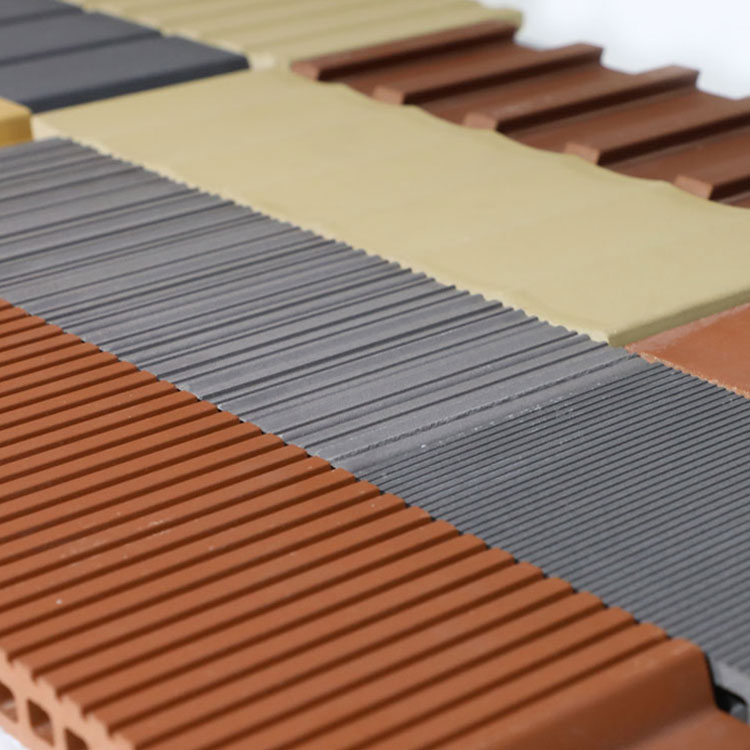
Fired at temperatures exceeding 1000 degrees, ceramic panels develop a dense and stable internal structure, offering excellent weather resistance and durability. They resist deformation, cracking, and powdering even with prolonged use. Capable of effectively withstanding UV radiation, rain erosion, acid-alkali corrosion, and freeze-thaw cycles, their color and texture remain vibrant over time. Their lifespan far exceeds that of traditional coatings and ordinary cladding materials, significantly reducing the frequency of building facade renovations. Additionally, ceramic panels meet the A1-grade fireproof standard, being non-combustible and smoke-free, enhancing fire safety in public buildings, residential areas, and other settings. Combined with strong impact resistance and wind pressure performance, they are well-suited for high-seismic and high-wind-load regions, ensuring long-term safety and stability for structures.
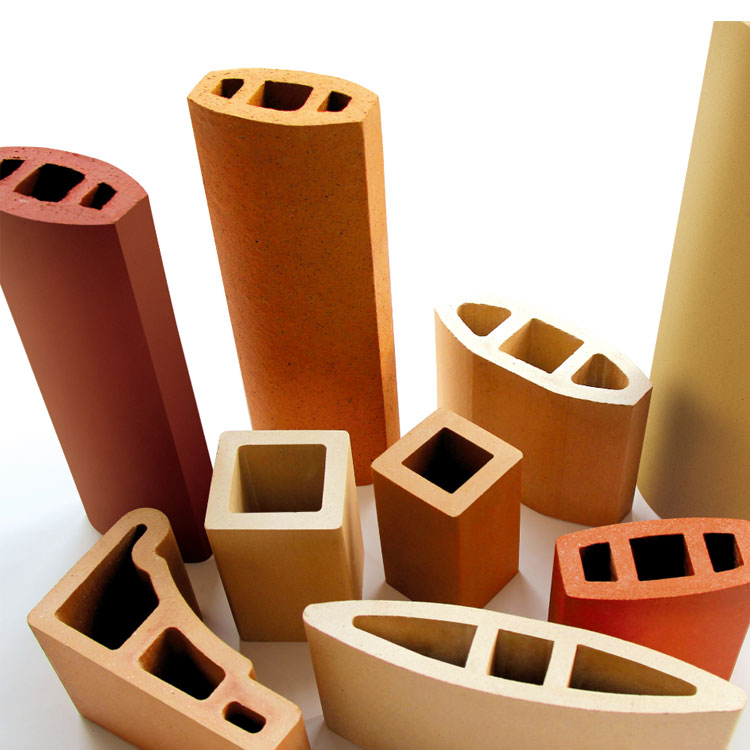
Ceramic panels often adopt a hollow or porous structural design, combined with a back-ventilated installation system, to deliver excellent thermal insulation and noise reduction effects, effectively lowering building energy consumption. The cavities reduce heat conduction, blocking outdoor high temperatures in summer and minimizing indoor heat loss in winter, while the addition of insulation layers can further enhance energy efficiency. The porous structure also absorbs and attenuates sound waves, improving indoor acoustic environments and reducing external noise disturbances. Additionally, the dense surface of ceramic panels features anti-static properties, making them less prone to dust accumulation. With self-cleaning capabilities through rainwater rinsing, they significantly reduce long-term cleaning and maintenance costs, ensuring the building facade remains clean and aesthetically pleasing for extended periods.
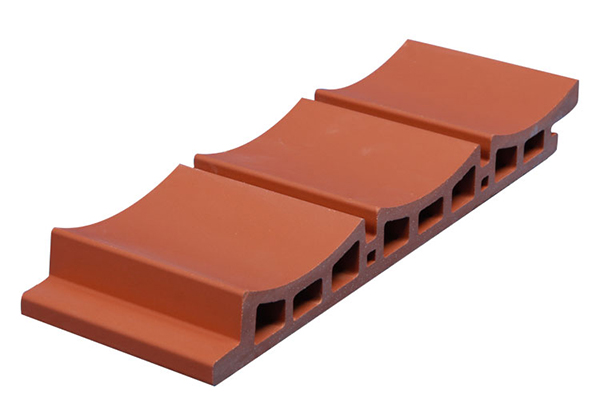
At the application and installation level, ceramic panels come in diverse specifications and exhibit strong plasticity. They can be crafted into various textures such as flat, grooved, and wood-grained through different molds and processes, catering to architectural styles ranging from modern and neo-Chinese to European. These panels are adaptable to different building sections like curtain walls, interior walls, and ceilings. The standardized dry-hanging installation process is straightforward, with individual panels being independently detachable and replaceable, facilitating easy maintenance while shortening construction periods and reducing post-construction operational challenges. With comprehensive advantages including environmental friendliness, durability, energy efficiency, and ease of maintenance, ceramic panels are widely used in projects such as commercial complexes, office buildings, schools, and residential buildings. They serve as high-performance decorative materials that balance quality, aesthetics, and practicality, endowing buildings with enduring value and a humanistic touch.
(Source:Shaohua Ceramic Panel Manufacturer)
Jiangxi Shaohua Ceramics Co., Ltd. adheres to the principles of environmental protection, ecology, and humanity. The company specializes in the development, research, and innovation of clay-based architectural products, with main products including terra-cotta curtain walls, ceramic bricks, terra-cotta rods, terra-cotta louvers, and other new exterior wall decorative building materials.
 HOME
 PRODUCT
 CASE
 CONTACT