Selection of Ceramic Panel Profiles
The selection of ceramic panel profiles directly impacts the overall facade effect, structural load-bearing, and construction feasibility, making it a crucial aspect in curtain wall design. Common profiles are distinguished by width, height, thickness, and cross-sectional structure, with different types corresponding to varying floor heights, division ratios, and visual rhythms. Standard vertical strip profiles offer a clean and upright appearance, ideal for modern architecture emphasizing vertical lines; wide horizontal panels exude a more expansive and open feel, suitable for public buildings and commercial complexes. Profile selection must first align with architectural style, floor height modulus, and division logic to prevent facade clutter due to disproportions, while also considering keel arrangement, load paths, and waterproofing structures to achieve both aesthetics and safety simultaneously.
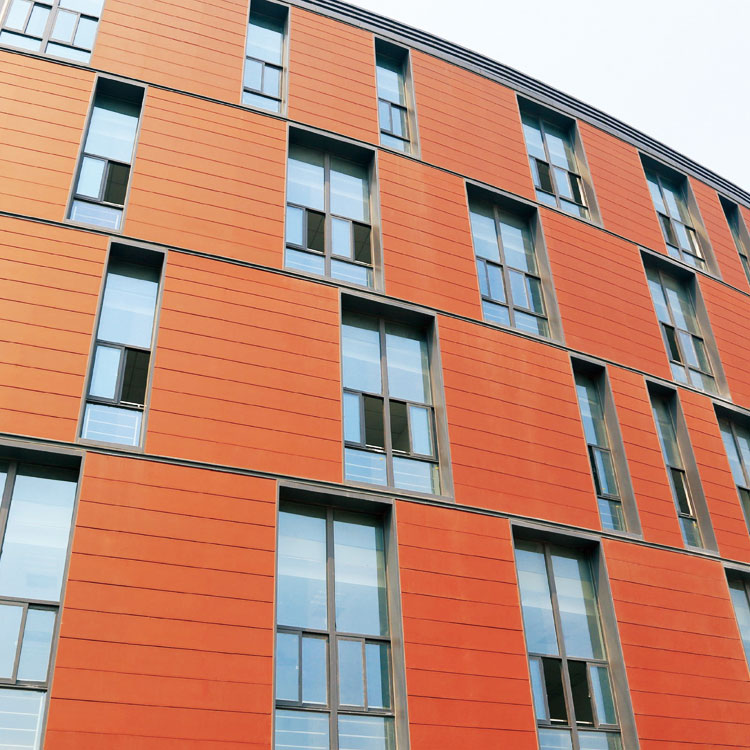
At the functional level, ceramic panel designs must consider cavity structures, width limitations, and installation stability. Most ceramic panels adopt a hollow multi-cavity structure—the wider the panel, the higher the requirements for flexural and wind pressure resistance. Thus, large-width panels typically demand thicker cross-sections or reinforced rib designs. High-rise buildings and coastal areas with strong winds are better suited for narrow, high-strength panel types to enhance overall safety, while low-rise buildings or interior walls can opt for wider panels to improve visual cohesion. Additionally, panel dimensions influence drainage, rain protection, and expansion joint placement. Rational panel segmentation helps reduce dust accumulation and water retention, improving self-cleaning effects and durability performance.
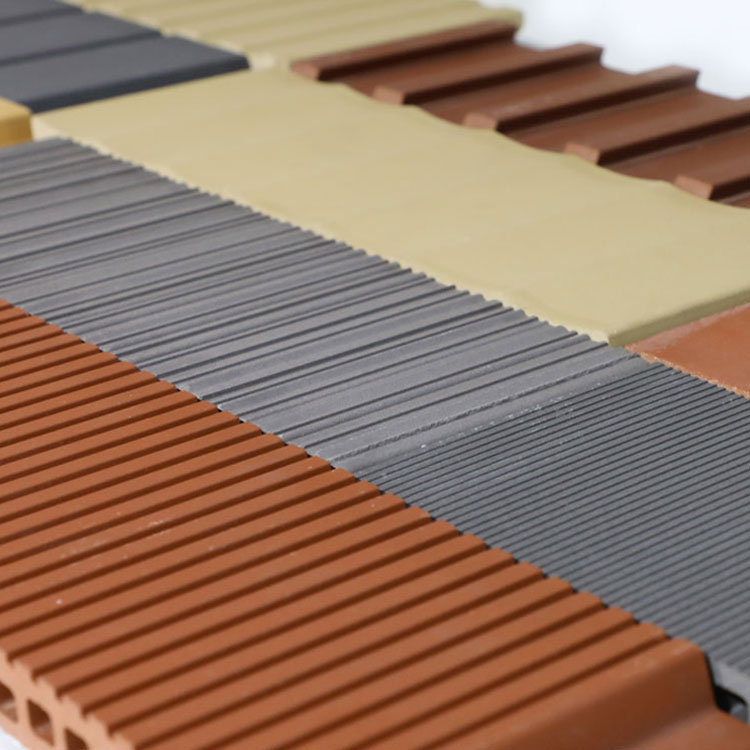
Visual expression and texture presentation also rely on the selection of ceramic panel types. Vertical panels can elongate building height, softening the sense of volume, making them suitable for projects like towers and office buildings that seek a lofty appearance. Horizontal panels convey a more stable and expansive feel, ideal for structures such as schools and hospitals that emphasize horizontal extension. Long and narrow panels offer refined delicacy, fitting for human-scale interactions, while wide and large panels exude grandeur, better suited for distant viewing. Surface textures, glazes, matte finishes, and other effects will vary depending on the panel proportions. Designers must consider factors like light and shadow variations, grid density, and color coordination to determine the appropriate panel dimensions, ensuring a unified and rhythmic facade.
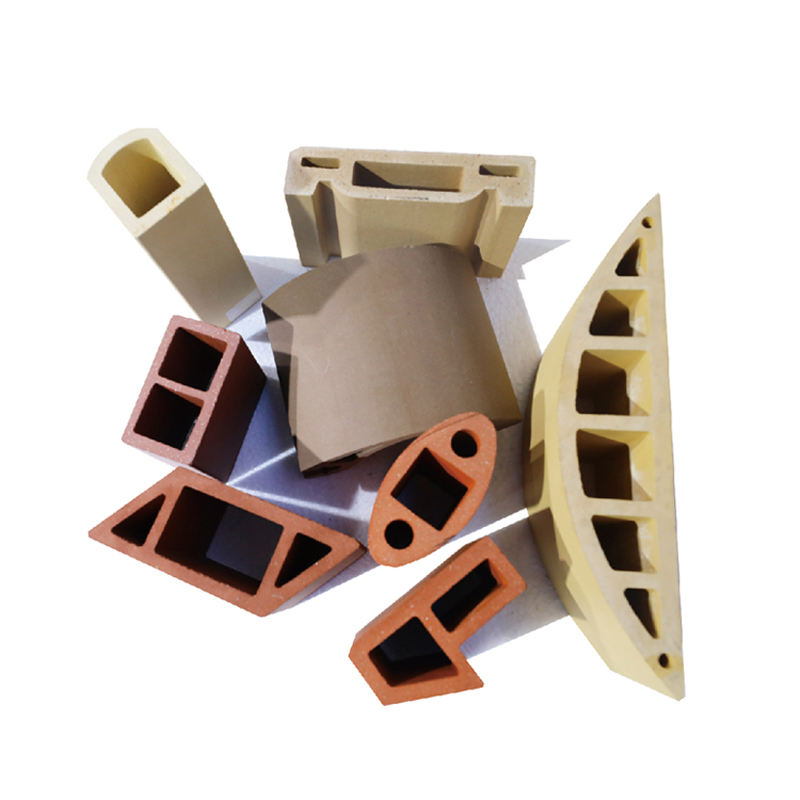
The selection of ceramic panel specifications should ultimately return to a comprehensive consideration of cost, construction timeline, and maintenance. Standard specifications offer fast delivery, strong versatility, and controllable costs, making them suitable for most projects. While customized specifications can achieve unique designs, they require longer mold production cycles and higher costs, necessitating an evaluation of their necessity. Additionally, panel dimensions impact hoisting difficulty, dry-hanging efficiency, and future replacement. Moderate sizes facilitate construction and maintenance, whereas oversized or irregular panels increase installation risks and maintenance costs. Under the premise of achieving the desired architectural effect, prioritizing mature specifications, rational segmentation, and optimized dimensions ensures that ceramic panel facades are both impressive and reliable, balancing aesthetics, performance, and cost.
(Source:Shaohua Ceramic Panel Manufacturer)
Jiangxi Shaohua Ceramics Co., Ltd. adheres to the principles of environmental protection, ecology, and humanity. The company specializes in the development, research, and innovation of clay-based architectural products, with main products including terra-cotta curtain walls, ceramic bricks, terra-cotta rods, terra-cotta louvers, and other new exterior wall decorative building materials.
 HOME
 PRODUCT
 CASE
 CONTACT