Terracotta Facade - The Perfect Fusion of Innovation and Aesthetics
Terracotta facade is a new type of building exterior material that has gained widespread application in architectural design in recent years due to its outstanding performance and unique appearance. As a modern decorative material for building exteriors, terracotta facades not only offer excellent functionality but also add distinctive artistic beauty to structures. This article provides a detailed introduction to the definition, characteristics, application fields, and advantages of terracotta facades in contemporary architecture.
A terracotta facade refers to an exterior decorative wall system made from natural clay materials. It forms a lightweight yet high-strength building exterior by connecting terracotta panels with a support system. The main components of a terracotta facade include terracotta panels, aluminum alloy or steel support structures, and installation accessories. The terracotta panels, serving as the visible part of the facade, are typically manufactured through high-temperature firing processes with specially treated surfaces. They come in a rich variety of colors, textures, and finishes, enabling seamless integration with diverse architectural styles.
Terracotta facades offer a wide range of colors and textures, allowing for the selection of different styles and effects based on architectural design requirements. Whether for modern minimalist styles or traditional European aesthetics, terracotta facades adapt effortlessly, giving buildings a distinctive appearance. The surface of terracotta panels undergoes special treatment, showcasing smooth and refined textures while also providing UV resistance and anti-oxidation properties, ensuring their appearance remains fresh and vibrant over time.
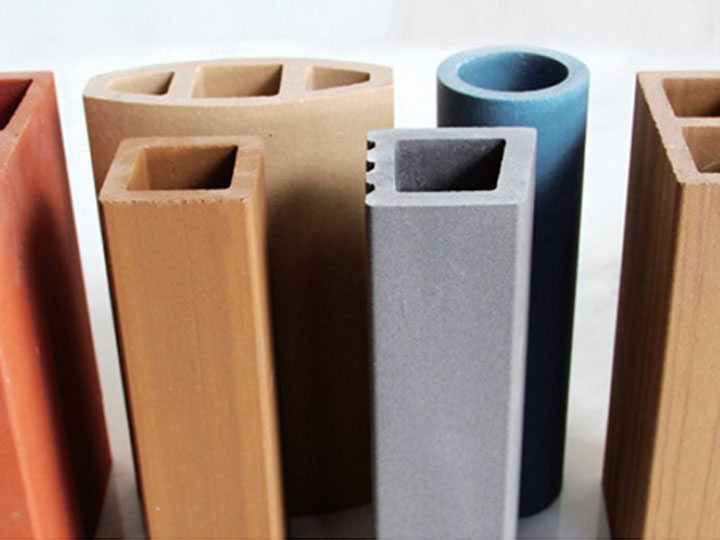
The ceramic panel curtain wall adopts a high-temperature firing process, making its surface hard and wear-resistant, capable of effectively withstanding harsh weather conditions such as wind, sun exposure, rain, and snow erosion. Ceramic panels are not only heat-resistant but also possess excellent freeze-thaw resistance, pollution resistance, and wind pressure resistance, maintaining stable performance under extreme climates to ensure the durability and stability of the building facade.
The material for ceramic panel curtain walls is sourced from natural clay, with relatively low energy consumption during production, meeting the green and eco-friendly requirements of modern architecture. Additionally, the superior thermal insulation performance of ceramic panel curtain walls effectively blocks heat transfer, reducing building energy consumption and achieving energy-saving and environmental protection effects.
The surface of the terracotta panel is smooth, making it difficult for dirt to adhere and very easy to clean. Compared to other curtain wall materials, terracotta curtain walls exhibit stronger resistance to staining and are less prone to contamination, reducing the costs associated with later cleaning and maintenance.
Terracotta curtain walls are relatively lightweight, effectively reducing the building's load, making them particularly suitable for high-rise buildings and large-scale projects. At the same time, terracotta curtain walls possess high strength, capable of withstanding significant external pressure, ensuring structural safety.
Terracotta curtain walls are widely used in various types of construction projects, especially in commercial buildings, public structures, residential complexes, and high-rise buildings, demonstrating substantial application potential in these areas.
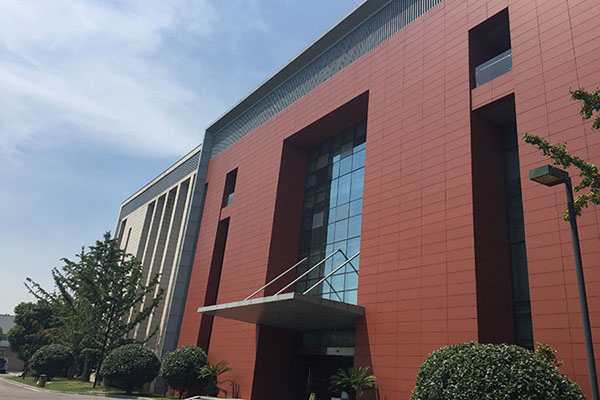
Its application is particularly prominent in commercial buildings, especially in high-end office towers and shopping centers. Its aesthetic appearance and superior performance not only enhance the visual effect of the architecture but also strengthen its market competitiveness.
In public buildings such as museums, cultural centers, and conference centers, ceramic panel curtain walls help architects realize creative designs while offering excellent practicality, improving the durability and stability of the structures.
The lightweight nature of ceramic panel curtain walls makes them an ideal material for the facades of high-rise buildings, reducing the structural load and enhancing the overall safety and stability of the construction.
With the increasing diversification of residential architectural designs, ceramic panel curtain walls are gradually entering the residential sector, adding highlights to modern homes and improving the quality of living environments.
Selecting the appropriate terra-cotta panel curtain wall requires consideration of multiple factors. First, ensure the quality of the terra-cotta panels, including their strength, weather resistance, and anti-pollution properties. Second, choose the right color, texture, and surface treatment to harmonize with the architectural style and surrounding environment. Additionally, based on the specific needs of the project, select a suitable support system and installation method to ensure construction safety and convenience.
Terra-cotta panel curtain walls, with their aesthetic appeal, durability, and eco-friendliness, have become an indispensable element in modern architecture. With advancing technology, the application prospects of terra-cotta panel curtain walls will expand further, offering more creative possibilities for architectural design. If you are working on the design or renovation of a building project, terra-cotta panel curtain walls are undoubtedly an excellent choice worth considering.
(Source:Shaohua Ceramic Panel Manufacturer)
Jiangxi Shaohua Ceramics Co., Ltd. adheres to the principles of environmental protection, ecology, and humanity. The company specializes in the development, research, and innovation of clay-based architectural products, with main products including terra-cotta curtain walls, ceramic bricks, terra-cotta rods, terra-cotta louvers, and other new exterior wall decorative building materials.
 HOME
 PRODUCT
 CASE
 CONTACT