Revealing the Secrets of Terracotta Panel Curtain Walls
In the field of modern architectural curtain walls, terracotta panel curtain walls have gradually become a preferred choice for buildings due to their natural texture and superior performance. However, the core secret of their material composition remains little known. The material of terracotta panel curtain walls is not simply "fired clay" but is primarily made from natural clay or shale, combined with a small amount of inorganic additives such as quartz and feldspar. Through scientific formulation and processing, these materials ensure natural environmental friendliness and stability from the source. All these raw materials are sourced from nature, free of radioactive contamination, and can be crushed and recycled for use in construction materials after disposal, aligning with the development concept of green buildings. Unlike synthetic curtain wall materials such as glass and metal, terracotta panels exude a warm, rustic natural charm, endowing buildings with unique cultural depth.
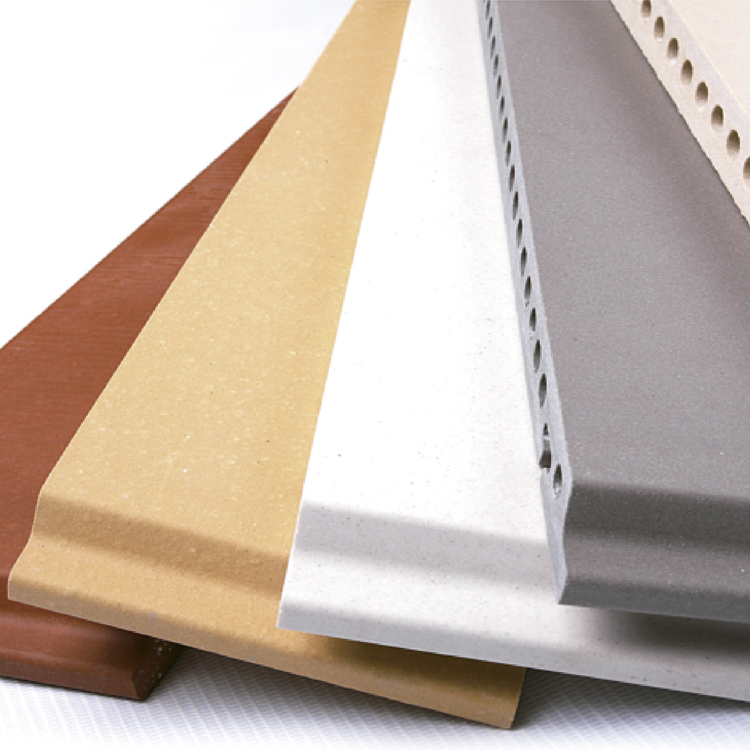
The excellent characteristics of ceramic panels are inseparable from rigorous production processes. Raw materials undergo meticulous treatments such as crushing, screening, and aging to ensure uniform particle size and good plasticity. Natural mineral pigments are then added according to design requirements, followed by vacuum high-pressure extrusion or high-pressure wet pressing to form panels of various specifications. The panels undergo precise temperature-controlled drying for dozens of hours to remove internal moisture, and are finally sintered at temperatures above 1100°C for an extended period. This process fully vitrifies the raw materials, forming a dense structure that not only enhances material strength but also ensures long-lasting color fixation with minimal fading. The firing temperature of ceramic panels can even exceed 1250°C, further strengthening their durability and stability.
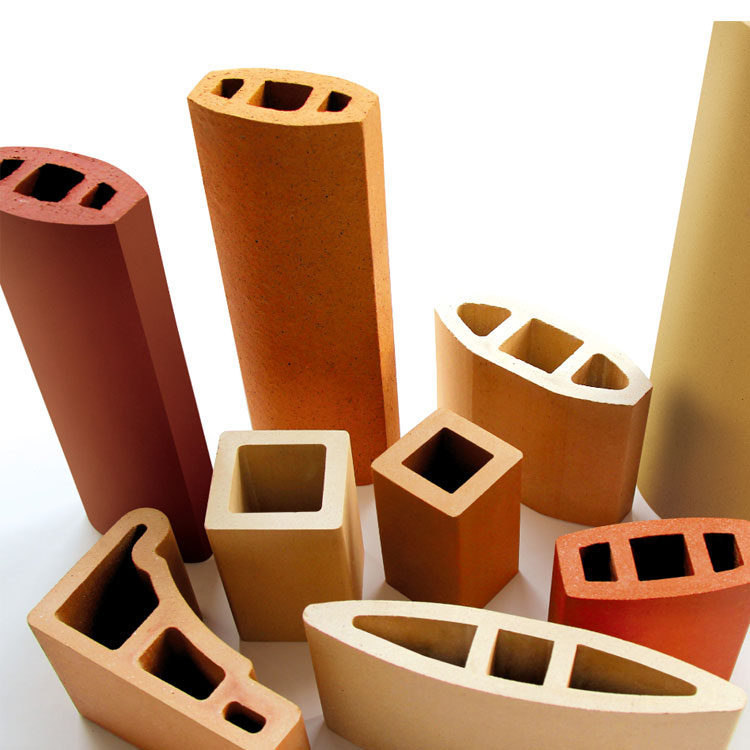
The core advantages of ceramic panel curtain wall materials lie in their superior physical properties and practical value. After high-temperature sintering, ceramic panels achieve a Mohs hardness of 6-7, close to quartz, making them wear- and scratch-resistant. They also meet the A1 non-combustibility standard, releasing no toxic gases in case of fire, with outstanding fireproof performance. Their low water absorption rate, typically below 6% (high-quality products even ≤3%), enables effective resistance to freeze-thaw cycles, showing no cracks or peeling after 100 freeze-thaw tests. This makes them suitable for various climates, including extreme cold, heat, and humidity, especially in coastal or industrial areas prone to corrosion. Additionally, the dense and smooth surface of ceramic panels offers excellent self-cleaning properties, where rainwater alone can wash away dust, reducing the need for frequent maintenance and significantly lowering long-term operational costs.
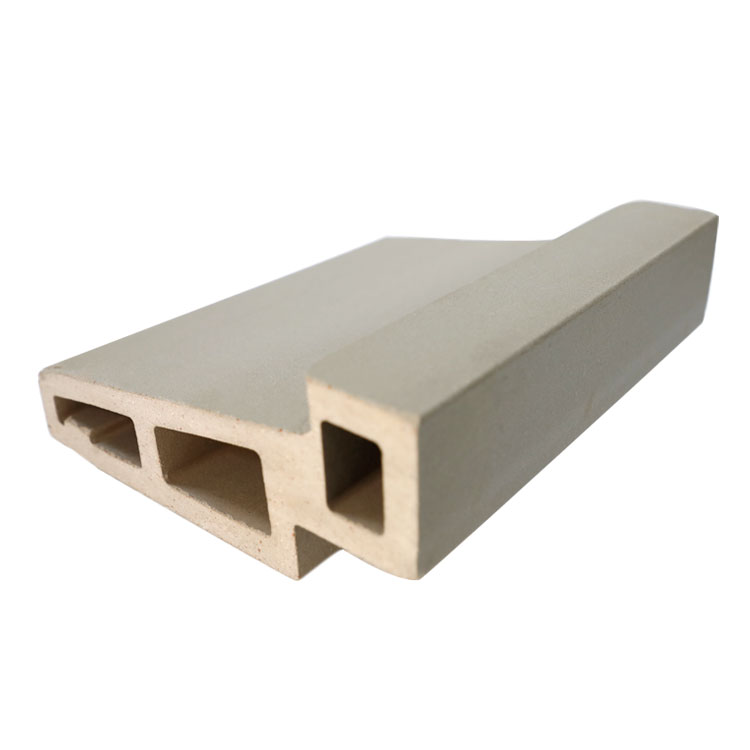
Today, the diversity of ceramic panel curtain wall materials allows them to adapt to more architectural styles. Surface treatments such as sandblasting, grooving, or glazing can produce solid colors, metallic hues, gradients, and fine or coarse textures, mimicking stone, wood, or artistic finishes. Weighing only 1/3 to 1/2 of natural stone, ceramic panels reduce structural load and, when paired with dry-hanging systems, offer excellent seismic resistance and stability, making them widely applicable in high-rise offices, cultural venues, and residential buildings. From raw materials to craftsmanship, performance to application, ceramic panel curtain wall materials—with their eco-friendly, durable, and practical qualities—have redefined perceptions of traditional cladding, emerging as a modern architectural choice that combines aesthetics with functionality.
(Source:Shaohua Ceramic Panel Manufacturer)
Jiangxi Shaohua Ceramics Co., Ltd. adheres to the principles of environmental protection, ecology, and humanity. The company specializes in the development, research, and innovation of clay-based architectural products, with main products including terra-cotta curtain walls, ceramic bricks, terra-cotta rods, terra-cotta louvers, and other new exterior wall decorative building materials.
 HOME
 PRODUCT
 CASE
 CONTACT