The Endurance of Terracotta Panels
As an excellent material in the field of building facades, the widespread application of terracotta panels stems from their outstanding endurance, which is no coincidence. This performance advantage is derived from the dual reinforcement of natural raw materials and high-temperature processing, setting them apart from other facade materials. Terracotta panels are primarily made from natural clay and shale, combined with inorganic additives like quartz and feldspar. Through scientific proportioning and high-temperature sintering, they form a dense structure, establishing a solid foundation for endurance at the material level. Unlike glass or metal facades, terracotta panels do not require additional anti-corrosion or anti-aging coatings. Their inherent material properties enable them to withstand various environmental challenges, making them suitable for architectural needs across different regions. Their endurance has been proven through long-term practical applications, making them a reliable choice for durable building solutions.
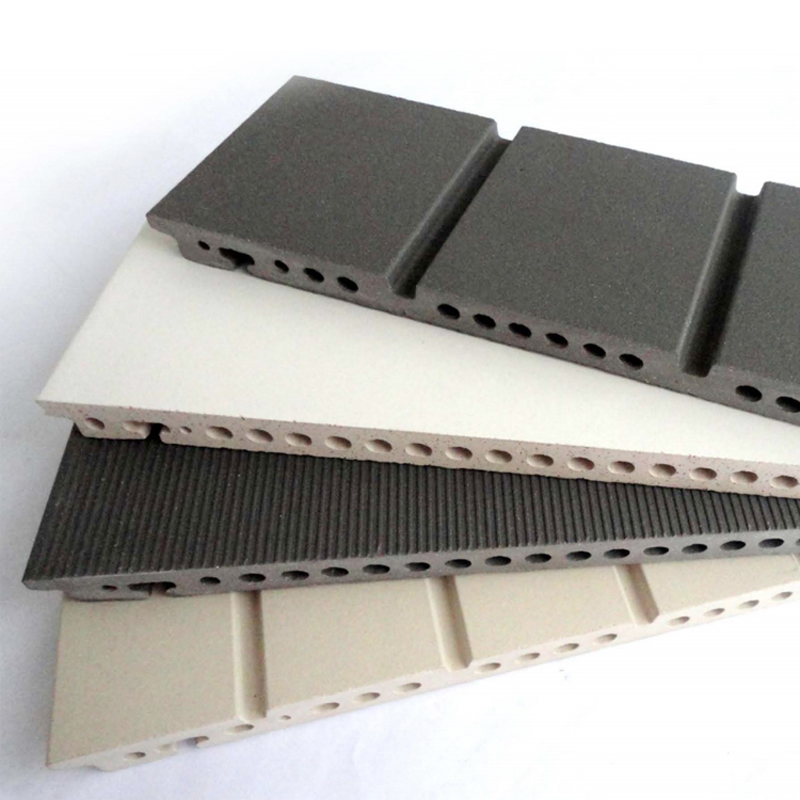
The durability of terracotta panels is first reflected in their excellent high-temperature resistance and fireproof performance. Fired at temperatures ranging from 1100°C to 1250°C, terracotta panels develop a stable vitrified structure internally, enabling them to withstand long-term temperature fluctuations from -50°C to 150°C. Even under alternating conditions of intense heat exposure and severe frost, they exhibit no deformation, cracking, or aging. More notably, terracotta panels meet the A1-grade non-combustible standard. When exposed to fire, they neither melt nor peel, nor do they release toxic or harmful gases, effectively preventing the spread of flames. This provides solid protection for building fire safety, making them particularly suitable for high-rise buildings, cultural venues, and other scenarios with stringent fireproofing requirements.
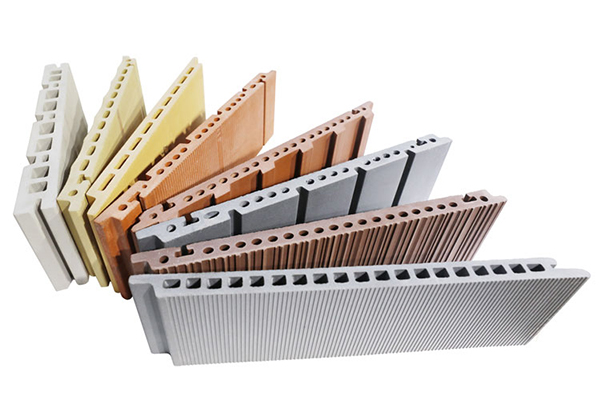
Weather resistance and corrosion resistance are another core manifestation of ceramic panels' durability. With a low water absorption rate of ≤3%, ceramic panels effectively prevent moisture penetration, avoiding material damage caused by freeze-thaw cycles. They remain intact even after 100 freeze-thaw tests, making them suitable for various climates, from the severe cold of northern regions to the high humidity of the south. Additionally, their dense and smooth surface resists erosion from corrosive substances such as acid rain, sea breeze, and industrial exhaust, minimizing issues like fading, chalking, and rusting. Even in corrosive environments like coastal areas and industrial zones, ceramic panels maintain long-term stability, significantly extending their service life.
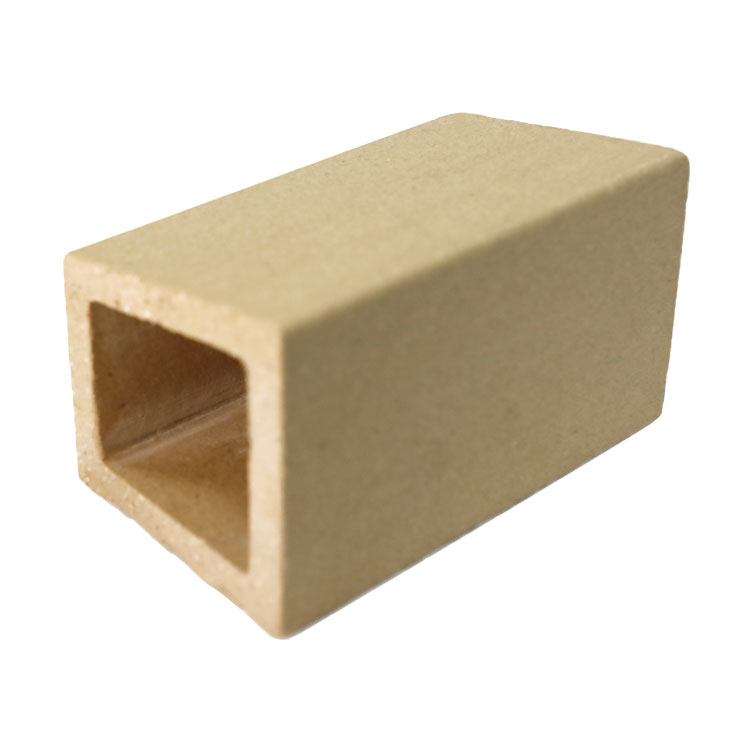
The durability of ceramic panels is also reflected in their wear and scratch resistance as well as impact resistance, meeting the practical needs of long-term building use. After high-temperature sintering, ceramic panels achieve a Mohs hardness of 6-7, close to that of quartz. Daily collisions and friction do not leave noticeable scratches, and they can withstand minor external impacts without easy breakage. Additionally, ceramic panels exhibit excellent aging resistance. Even when exposed to long-term UV radiation, their color remains stable without yellowing or fading, maintaining a pristine condition without frequent maintenance. It is precisely this durability that positions ceramic panels as a significant material in the building curtain wall sector, combining practicality and longevity to meet the long-term usage requirements of various architectural projects.
(Source:Shaohua Ceramic Panel Manufacturer)
Jiangxi Shaohua Ceramics Co., Ltd. adheres to the principles of environmental protection, ecology, and humanity. The company specializes in the development, research, and innovation of clay-based architectural products, with main products including terra-cotta curtain walls, ceramic bricks, terra-cotta rods, terra-cotta louvers, and other new exterior wall decorative building materials.
 HOME
 PRODUCT
 CASE
 CONTACT