[ Surface effect ]
Custom surface effects and appearances are available upon request, with colors referable to the following palette.
Special-shaped ceramic panel No. 5
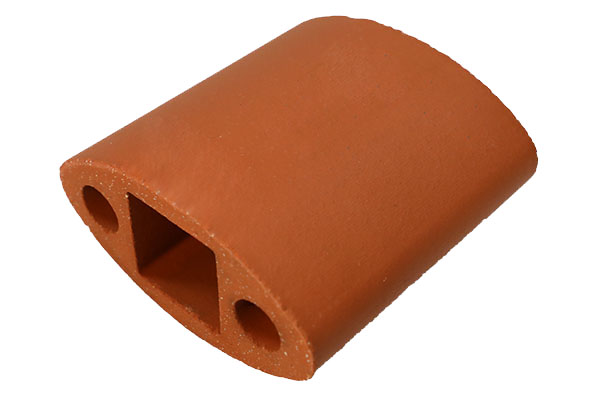
The forming process of shaped ceramic slab relief involves cutting a cubic column of clay into rectangular ceramic slabs. These slabs are then joined, gaps are filled, and the surface is leveled. A projection device is used to transfer patterns drawn on white fabric onto the ceramic slabs. The entire slab is then irregularly cut into pieces of varying sizes and shapes, while preserving the integrity of key pattern elements. The pieces undergo processes such as moisture reabsorption, sculpting, glazing, matte glaze treatment, drying, and firing to form a shaped ceramic slab relief. This results in a natural and cohesive aesthetic that evokes a return to simplicity.
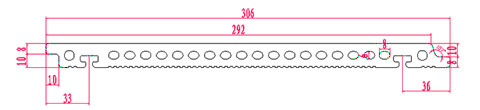
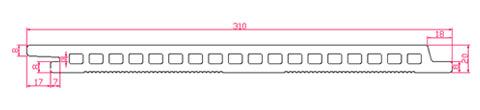
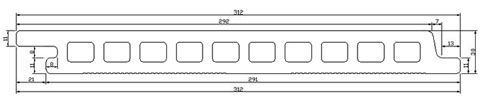


natural surface-1

natural surface-2

Fine sand surface

Coarse sand surface

groove surface-1

groove surface-2

Tattooed face-1

Tattooed face-2

Rough surface

Slate surface

Glossy glaze

Matte glaze

Metallic glaze

Artistic glaze
Custom surface effects and appearances are available upon request, with colors referable to the following palette.


Natural red

Coral red

Light red

Orange

Grayish yellow

Apricot yellow

Ivory yellow

Coffee color

Chocolate color

Grayish-black

Volcanic ash

Black

The Great Wall is gray

Light gray

Off-white
Original production, naturally formed, pure and unadorned, free from glossy mirror reflections, creating a streamlined visual effect.

Natural red
Coral red
Light red
Orange
Grayish yellow
Apricot yellow
Ivory yellow
Coffee color
Chocolate color
Grayish-black
Volcanic ash
Black
The Great Wall is gray
Light gray
Off-white
The surface features uniform horizontal grooves, with the quantity and depth of the grooves customizable. The large-scale application creates a rich and fluid sense of lines in the curtain wall.
Natural red
Coral red
Light red
Orange
Grayish yellow
Apricot yellow
Ivory yellow
Coffee color
Chocolate color
Grayish-black
Volcanic ash
Black
The Great Wall is gray
Light gray
Off-white
The surface features uniform and regular ripples before production, with delicate and raised textures, exuding a fresh and retro charm, ensuring a perfect overall wall effect.
Natural red
Coral red
Light red
Orange
Grayish yellow
Apricot yellow
Ivory yellow
Coffee color
Chocolate color
Grayish-black
Volcanic ash
Black
The Great Wall is gray
Light gray
Off-white
It is formed through shot blasting treatment, featuring an even and fine effect with a soft luster, fitting the trend of creating natural spaces.

 HOME
 PRODUCT
 CASE
 CONTACT