Special-shaped ceramic panels

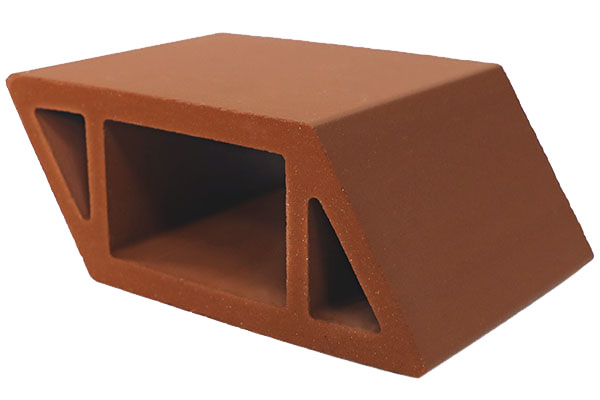
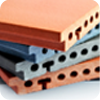
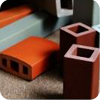
The forming process of shaped ceramic slab relief involves cutting a cubic column of clay into rectangular ceramic slabs. These slabs are then joined, gaps are filled, and the surface is leveled. A projection device is used to transfer patterns drawn on white fabric onto the ceramic slabs. The entire slab is then irregularly cut into pieces of varying sizes and shapes, while preserving the integrity of key pattern elements. The pieces undergo processes such as moisture reabsorption, sculpting, glazing, matte glaze treatment, drying, and firing to form a shaped ceramic slab relief. This results in a natural and cohesive aesthetic that evokes a return to simplicity.
MORE
The forming process of shaped ceramic slab relief involves cutting a cubic column of clay into rectangular ceramic slabs. These slabs are then joined, gaps are filled, and the surface is leveled. A projection device is used to transfer patterns drawn on white fabric onto the ceramic slabs. The entire slab is then irregularly cut into pieces of varying sizes and shapes, while preserving the integrity of key pattern elements. The pieces undergo processes such as moisture reabsorption, sculpting, glazing, matte glaze treatment, drying, and firing to form a shaped ceramic slab relief. This results in a natural and cohesive aesthetic that evokes a return to simplicity.
MORE
The forming process of shaped ceramic slab relief involves cutting a cubic column of clay into rectangular ceramic slabs. These slabs are then joined, gaps are filled, and the surface is leveled. A projection device is used to transfer patterns drawn on white fabric onto the ceramic slabs. The entire slab is then irregularly cut into pieces of varying sizes and shapes, while preserving the integrity of key pattern elements. The pieces undergo processes such as moisture reabsorption, sculpting, glazing, matte glaze treatment, drying, and firing to form a shaped ceramic slab relief. This results in a natural and cohesive aesthetic that evokes a return to simplicity.
MORE
The forming process of shaped ceramic slab relief involves cutting a cubic column of clay into rectangular ceramic slabs. These slabs are then joined, gaps are filled, and the surface is leveled. A projection device is used to transfer patterns drawn on white fabric onto the ceramic slabs. The entire slab is then irregularly cut into pieces of varying sizes and shapes, while preserving the integrity of key pattern elements. The pieces undergo processes such as moisture reabsorption, sculpting, glazing, matte glaze treatment, drying, and firing to form a shaped ceramic slab relief. This results in a natural and cohesive aesthetic that evokes a return to simplicity.
MORE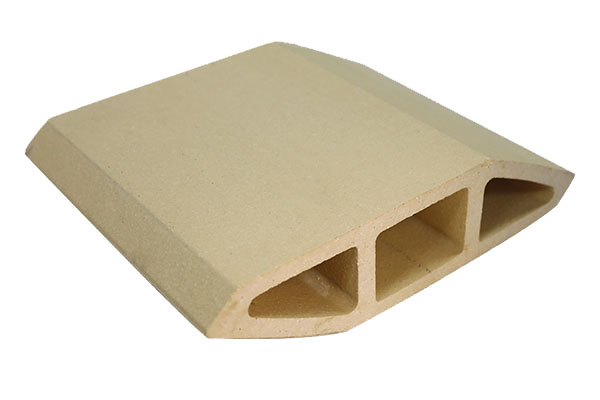
The forming process of shaped ceramic slab relief involves cutting a cubic column of clay into rectangular ceramic slabs. These slabs are then joined, gaps are filled, and the surface is leveled. A projection device is used to transfer patterns drawn on white fabric onto the ceramic slabs. The entire slab is then irregularly cut into pieces of varying sizes and shapes, while preserving the integrity of key pattern elements. The pieces undergo processes such as moisture reabsorption, sculpting, glazing, matte glaze treatment, drying, and firing to form a shaped ceramic slab relief. This results in a natural and cohesive aesthetic that evokes a return to simplicity.
MORE HOME
 PRODUCT
 CASE
 CONTACT